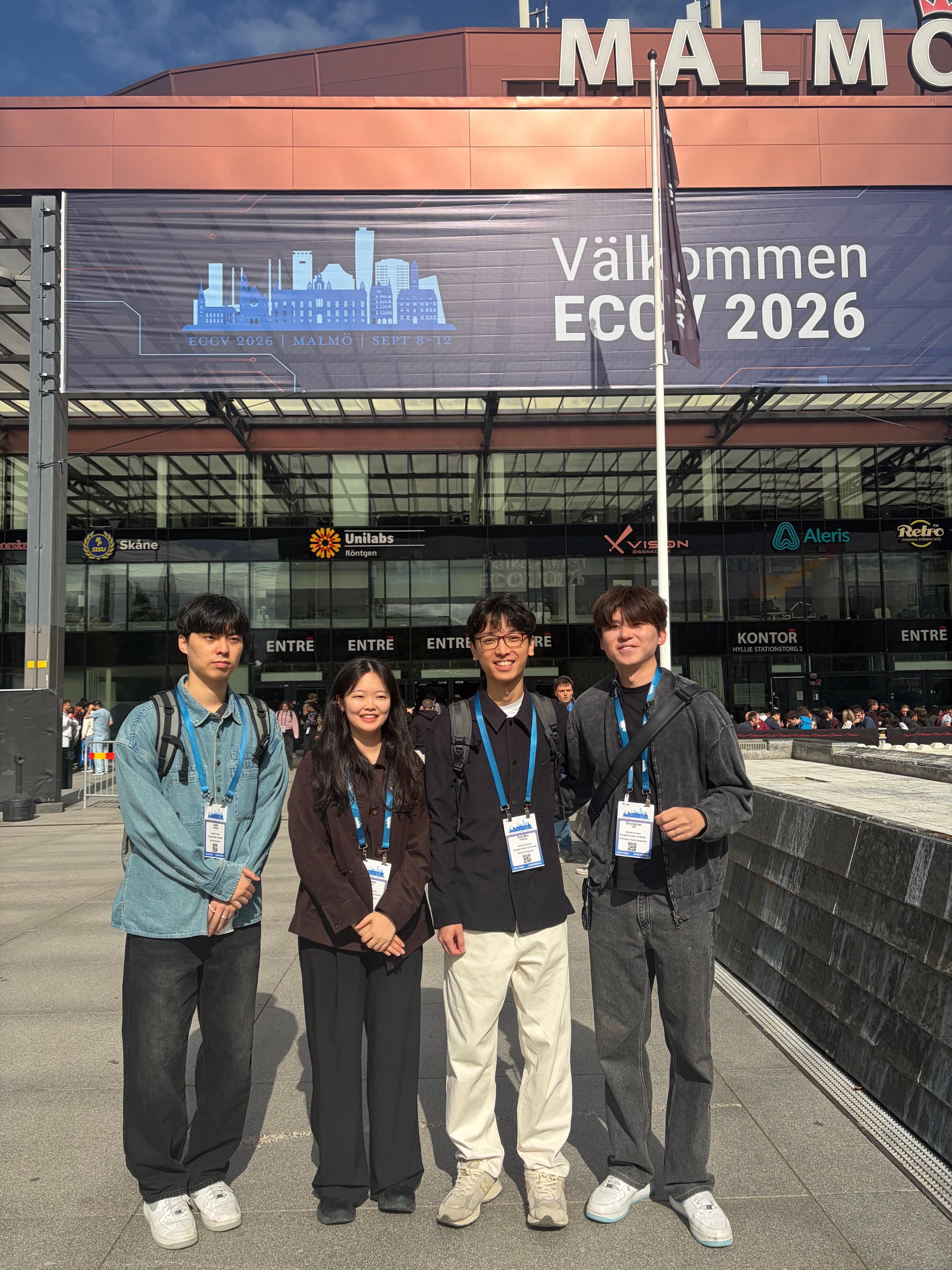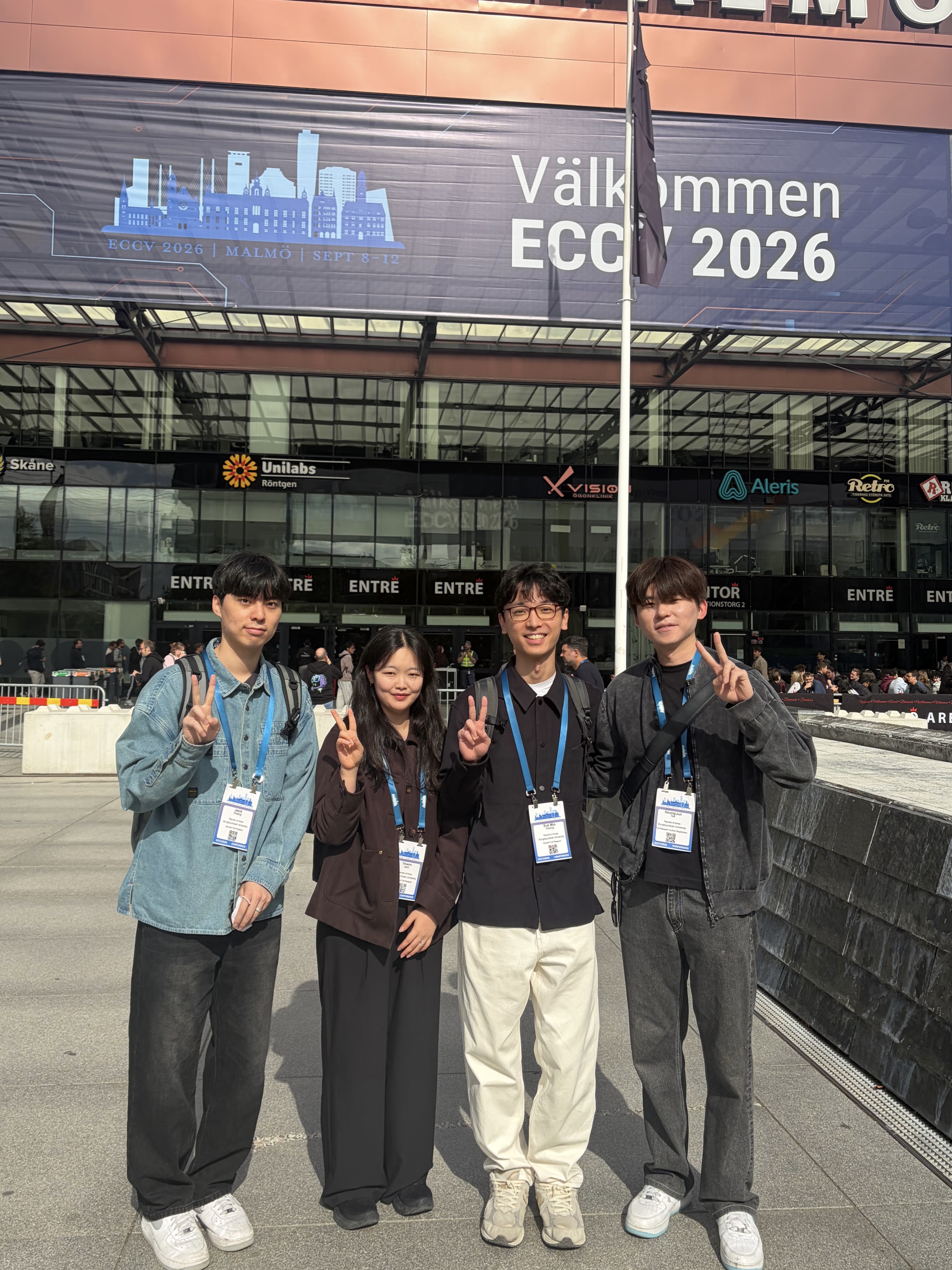
ECCV 2026 in Malmö
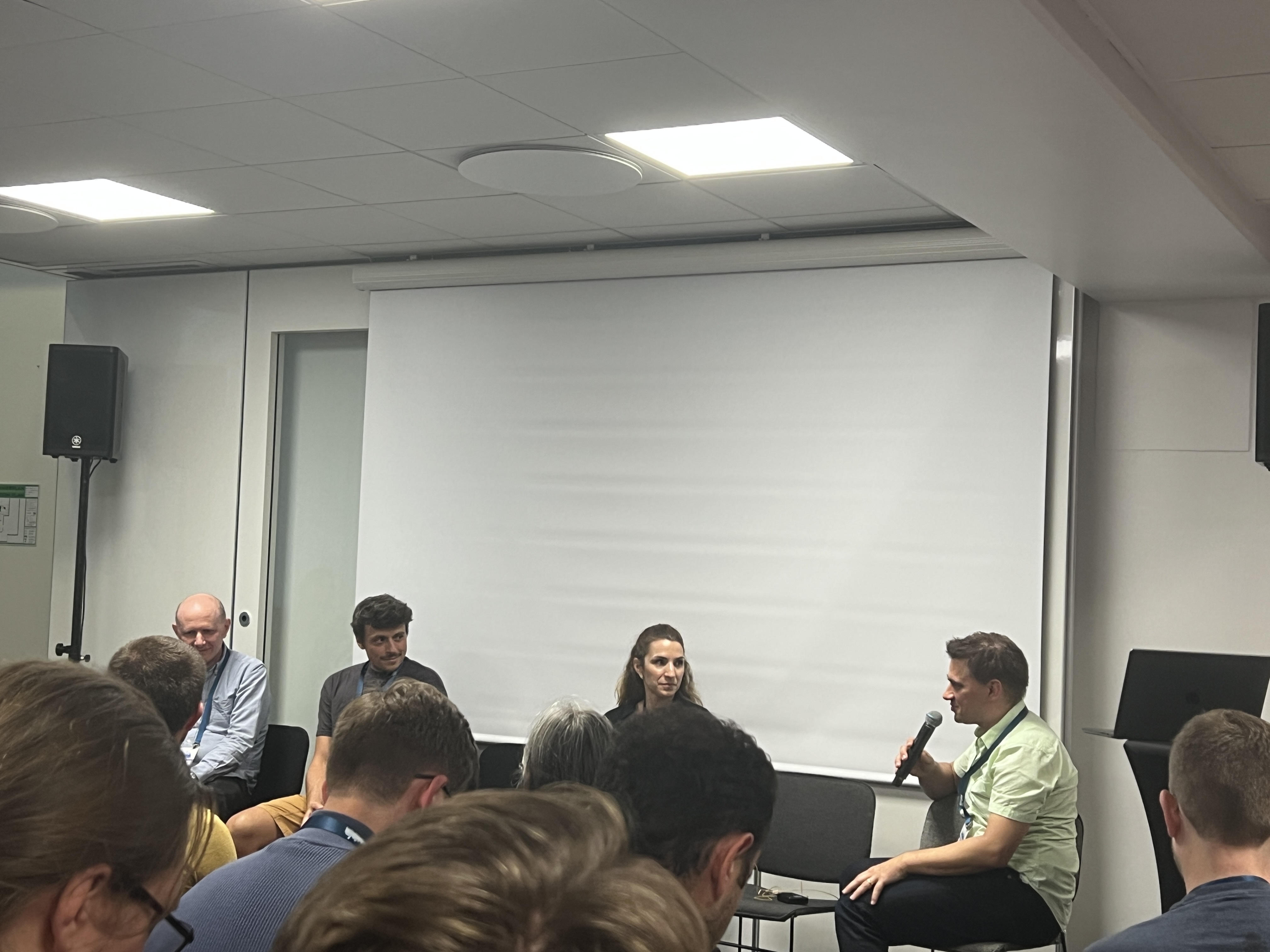
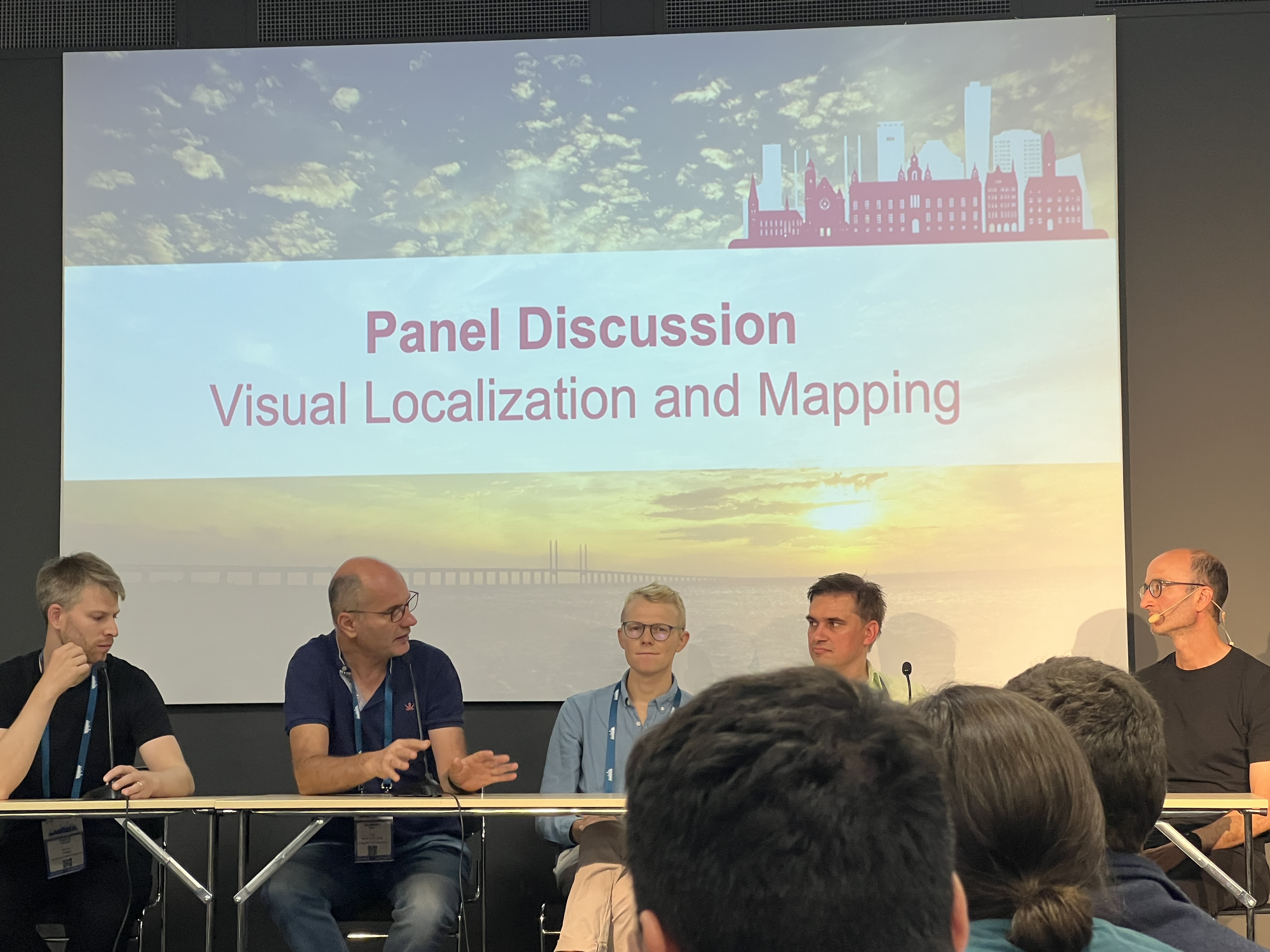
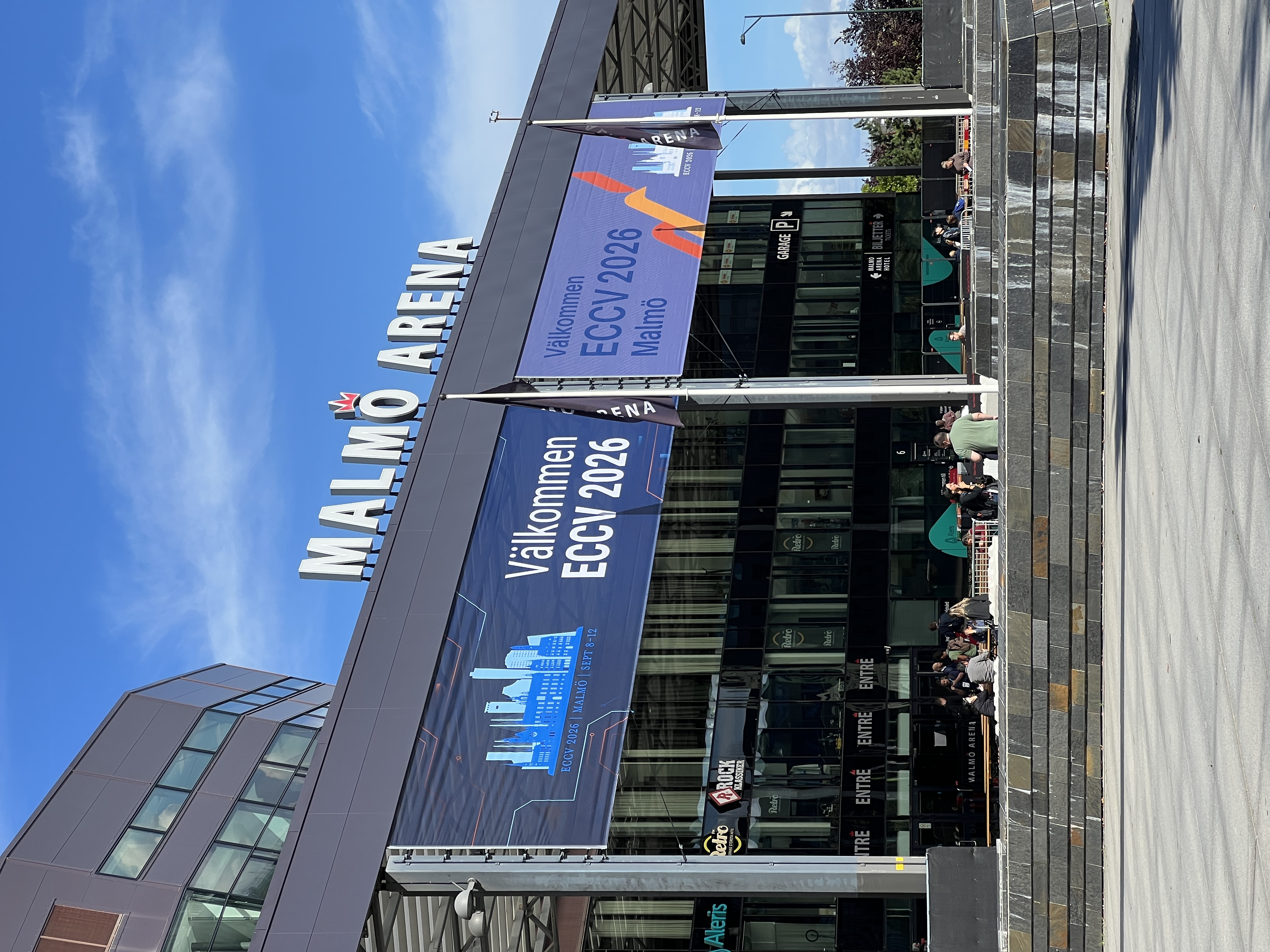
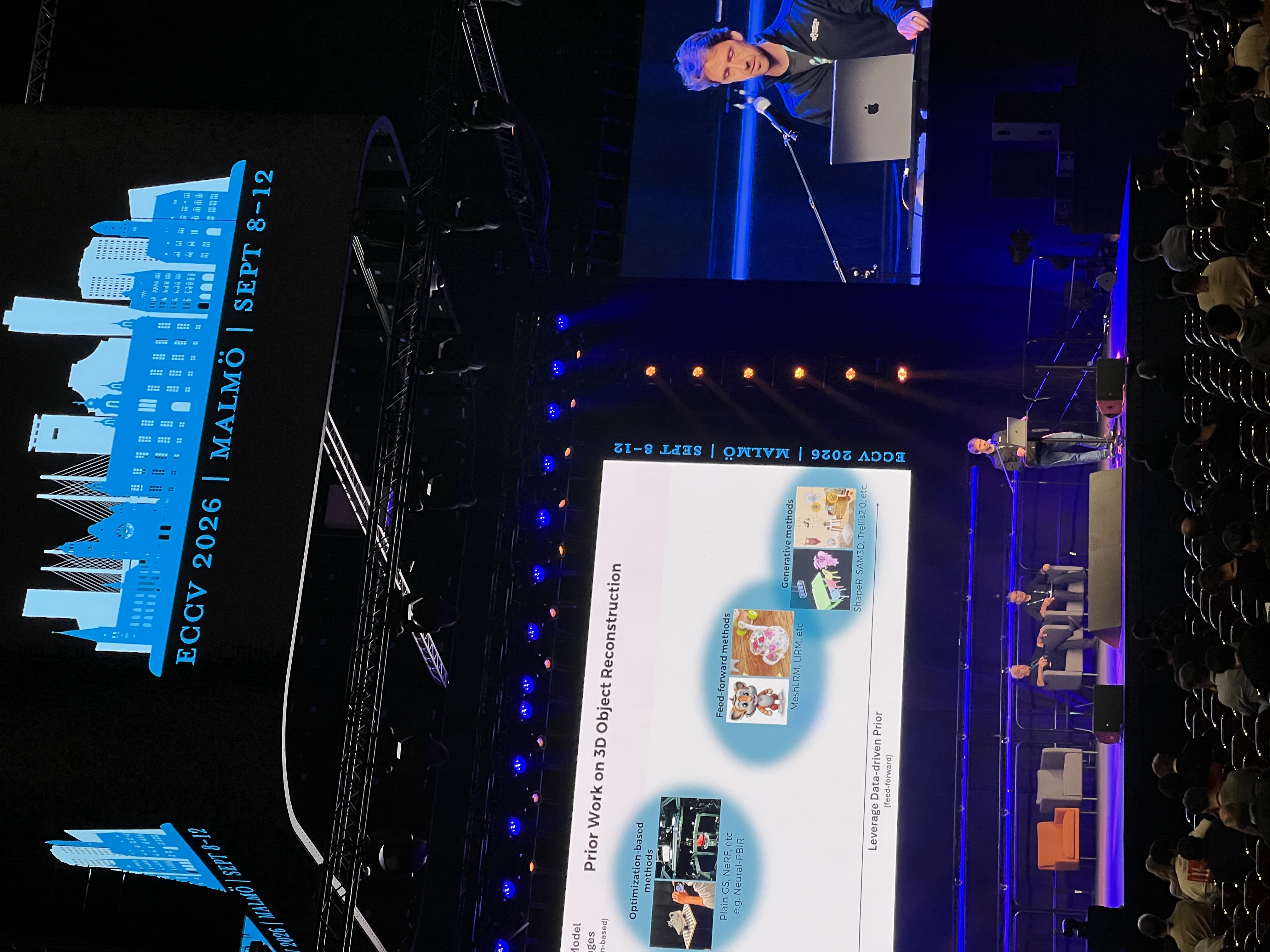
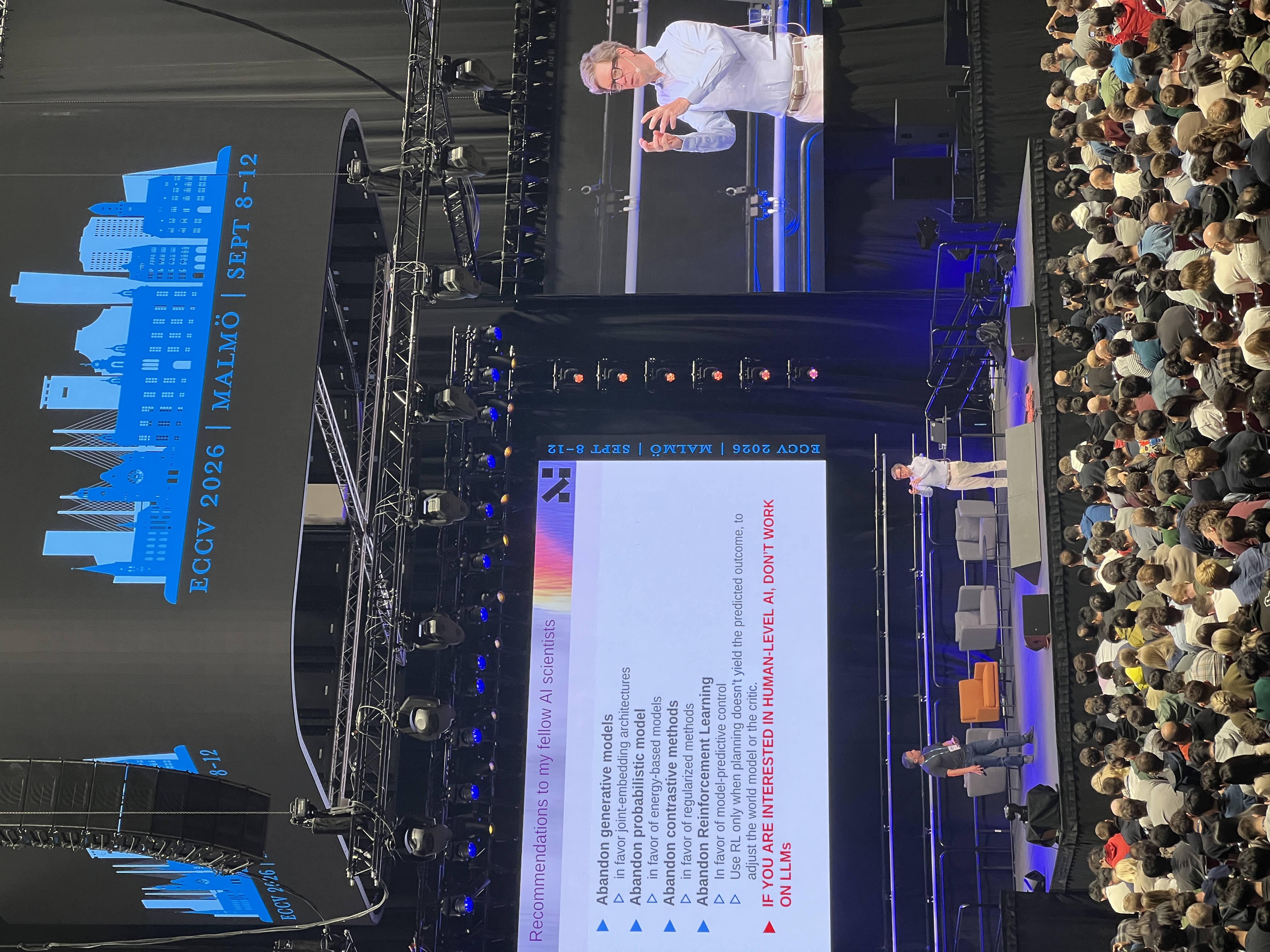
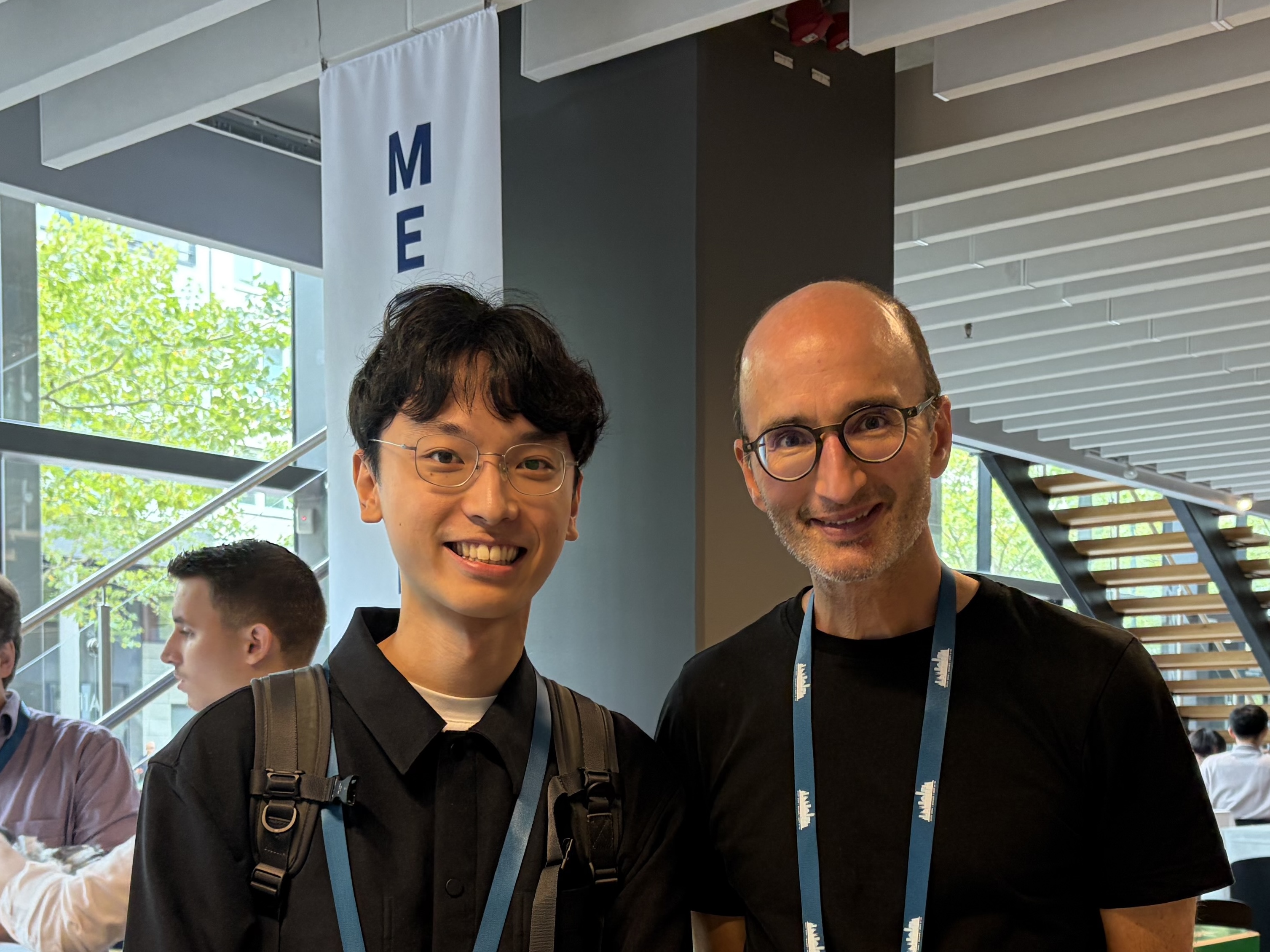
I’m grateful to have attended ECCV 2026 in Malmö! I had a fantastic time learning from the ViLMa and NeuSLAM workshops and exploring the latest research in SLAM, 3D vision, and robotics.
One of my biggest takeaways was how recent progress in 3D vision has come not only from scaling data and computation, but also from replacing hand-crafted heuristics with optimization and learning and making the pipeline differentiable. What I found particularly interesting was what comes next: developing better architectures and self-supervised approaches that can scale without relying on expensive supervision.
I was also fascinated by a more fundamental question: what should a robot actually represent about the world? From sparse and dense maps to Gaussian Splatting and foundation-model-based representations, different representations introduce different trade-offs in geometry, efficiency, memory, and downstream tasks. This also made me think more about continual learning: how should a robot update its representation as the world changes without losing what it has already learned?
The poster sessions were also a great opportunity to discuss these ideas with researchers and students working across SLAM, 3D reconstruction, and visual localization.
It was great to share this experience with my research collaborators, SeungJun Tak, Yewon Jeon, and Jaeik Hwang.
ECCV left me with many new questions about how to build scalable 3D perception systems for real-world robots. Looking forward to the next ECCV!